Debt Recovery — Legal & Strategic
Recover What Is Rightfully Yours — With the Advocacy of Subodh Bajpai
Subodh Bajpai is an Advocate at the Delhi High Court with an MBA in Finance from XLRI Jamshedpur — a combination that enables him to pursue debt recovery through DRT, SARFAESI, IBC/NCLT, and Section 138 NI Act proceedings with both legal precision and commercial strategic intelligence.
The Subodh Bajpai Advantage
Finance + Law — The Dual Edge That Defines Subodh Bajpai's Debt Recovery Practice
Debt recovery in India sits at the intersection of two disciplines — finance and law — and most advisors are only fluent in one. A pure litigator knows how to argue before a DRT or file an NCLT petition, but may not understand the commercial calculus of how much a distressed debtor can realistically pay, and at what pace. A pure financial advisor understands balance sheets and cash flows but cannot draft a SARFAESI notice or appear before the National Company Law Tribunal.
Subodh Bajpai occupies both positions simultaneously. His MBA in Finance from XLRI Jamshedpur gives him a sophisticated understanding of business distress — how it develops, what causes it, and what recovery strategies are commercially realistic. His LLB, LLM, and active practice as an Advocate at the Delhi High Court give him the legal authority to pursue recovery through every forum available under Indian law.
For creditors, this means Subodh Bajpai can design a recovery strategy that uses legal proceedings strategically — not just as an adversarial tool, but as leverage to achieve commercial settlements where appropriate, or hard enforcement where necessary. For borrowers defending against aggressive recovery actions, Subodh Bajpai provides the kind of balanced counsel that sees both the legal position and the commercial exit path.
Subodh Bajpai's Legal Credentials
Who Subodh Bajpai Represents
Banks & NBFCs
Pursuing recovery of NPA and overdue accounts
Corporates & MSMEs
Recovering unpaid trade dues from customers
Individuals & HNIs
Personal loan defaults, cheque bounce, asset recovery
Borrowers
Defending against wrongful bank recovery actions
ARCs
Asset reconstruction companies on purchased NPA portfolios
Legal Frameworks
Debt Recovery Mechanisms Handled by Subodh Bajpai
India's debt recovery legal landscape is complex and multi-forum. Subodh Bajpai navigates all major recovery mechanisms with equal authority.
Debt Recovery Tribunal (DRT)
For Banks & Financial Institutions — Debts Above ₹20 Lakh
The Debt Recovery Tribunal is the primary forum for banks and financial institutions to recover dues above ₹20 lakh. Subodh Bajpai, practising as an Advocate at the Delhi High Court, has deep expertise in DRT proceedings — filing Original Applications (OA), obtaining interim orders, executing recovery certificates, and defending borrowers against wrongful DRT applications. Subodh Bajpai understands both sides of DRT proceedings, making his counsel uniquely balanced.
Applicable For
SARFAESI Act Enforcement
Secured Creditors — Possession & Sale of Assets
The Securitisation and Reconstruction of Financial Assets and Enforcement of Security Interests (SARFAESI) Act empowers secured creditors to take possession of and sell mortgaged assets without court intervention. Subodh Bajpai assists both creditors enforcing SARFAESI rights and borrowers challenging wrongful possession notices. Critical timelines and procedural requirements under SARFAESI demand the kind of expert legal guidance Subodh Bajpai provides.
Applicable For
Insolvency & Bankruptcy Code (IBC) / NCLT
Corporate Insolvency Resolution Process
The Insolvency and Bankruptcy Code (IBC) transformed India's debt resolution landscape after 2016. Subodh Bajpai provides advisory and legal support for IBC proceedings at the National Company Law Tribunal (NCLT) — including filing applications as Financial or Operational Creditors, representing Corporate Debtors in CIRP, advising Resolution Applicants, and navigating liquidation proceedings. Subodh Bajpai's dual expertise in finance and law is particularly valuable for IBC matters, where commercial judgment and legal precision must work together.
Applicable For
Section 138 NI Act — Cheque Bounce Cases
Dishonoured Cheque Criminal Proceedings
Section 138 of the Negotiable Instruments Act creates a criminal remedy for dishonoured cheques — one of the most widely used debt recovery tools in India. Subodh Bajpai handles Section 138 cases from complaint drafting through trial and appeal — representing both complainants (payees pursuing recovery) and accused parties (drawers facing criminal prosecution). Given the nuanced interplay of criminal and civil remedies under the NI Act, Subodh Bajpai's legal expertise is invaluable for achieving expedient settlements.
Applicable For
Pre-Litigation Negotiation & Settlement
Structured Debt Recovery Without Court Proceedings
Not every debt recovery situation requires litigation. Subodh Bajpai brings his financial advisory expertise to pre-litigation recovery — structured negotiation, mediation, and settlement facilitation between creditors and debtors. This approach often delivers faster recoveries at lower cost than litigation, and Subodh Bajpai's combination of financial understanding (how much a debtor can realistically pay) and legal authority (creditors know he is prepared to litigate) makes him an effective negotiator.
Applicable For
NPA Account Resolution
For Banks, NBFCs & Corporate Lenders
Non-Performing Asset (NPA) management requires a multi-pronged strategy — legal recovery action combined with financial restructuring to maximise recovery value. Subodh Bajpai advises banks, NBFCs, and asset reconstruction companies (ARCs) on NPA resolution strategies that balance legal assertiveness with commercial pragmatism. His understanding of how RBI's Prudential Framework and resolution timelines interact with legal proceedings gives clients a strategic edge in NPA management.
Applicable For
How Subodh Bajpai Proceeds
The 4-Stage Debt Recovery Process
Subodh Bajpai follows a methodical recovery approach — always beginning with strategic assessment before any legal action is initiated.
Legal & Financial Assessment
Subodh Bajpai begins with a comprehensive review of the debt situation — the nature of the default, the security available, the debtor's financial position, the documents evidencing the debt, and the time-sensitivity of recovery. This determines which forum (DRT, NCLT, criminal court, pre-litigation) offers the best combination of speed and recovery quantum.
Strategy Design & Forum Selection
Based on the assessment, Subodh Bajpai designs a recovery strategy — which may combine multiple mechanisms simultaneously. For example, a creditor might file a DRT application while also initiating SARFAESI proceedings and simultaneously sending a Section 138 criminal notice. Subodh Bajpai maps out the sequence and timelines for each action.
Legal Documentation & Filing
Subodh Bajpai prepares all legal documentation — applications, affidavits, vakalatnama, statutory notices — with the precision of a Delhi High Court advocate. Procedural compliance at the filing stage is critical; errors or omissions can cause delays measured in months. Subodh Bajpai's meticulous approach ensures filings are complete and compliant from day one.
Active Representation & Execution
Subodh Bajpai personally handles or closely supervises all court appearances, tribunal hearings, and negotiations throughout the recovery process. He provides regular status updates to clients and advises on settlement opportunities as they arise. Post-order execution — which is often where recovery actually fails — is handled with equal rigour to ensure paper orders translate into actual recoveries.
The Delhi HC Advocate Advantage
Why Subodh Bajpai's Delhi High Court Practice Matters for Debt Recovery
The Delhi High Court sits at the apex of the northern India judicial hierarchy and hears appeals from all courts and tribunals in Delhi — including the Debt Recovery Tribunals and the National Company Law Tribunal. Subodh Bajpai's active practice at the Delhi High Court means he can follow a matter from the trial forum all the way to appellate proceedings without a change in counsel.
More importantly, a creditor or debtor advised by Subodh Bajpai — an Advocate known to be willing and able to take matters to the High Court — occupies a fundamentally different negotiating position than one represented by a lower-forum practitioner. Subodh Bajpai's credibility as a litigator directly enhances the commercial settlement leverage his clients enjoy at the negotiating table.
Beyond procedural advantages, Subodh Bajpai's XLRI MBA allows him to integrate financial analysis into every legal argument — understanding the quantum of damages, the real value of the security being enforced, and the commercial rationality of any proposed settlement. This is genuinely rare in the Indian legal landscape, and it is the differentiator that makes Subodh Bajpai's recovery counsel exceptionally effective.
Delhi High Court Practice
Active Advocate — appeals from all DRT and NCLT matters can be followed up without change of counsel.
XLRI Financial Analysis
Every legal argument is backed by sound financial analysis — damages, security value, settlement economics.
Both Sides of Recovery
Subodh Bajpai has represented both creditors and debtors — giving him a unique understanding of what each side really needs.
Commercial Settlement Focus
Litigation is a means to an end. Subodh Bajpai always evaluates whether a commercial settlement serves the client better than protracted proceedings.
Multi-Forum Strategy
DRT + SARFAESI + Section 138 simultaneously — Subodh Bajpai designs multi-forum strategies that maximise pressure and recovery speed.
Post-Order Execution
Recovery orders that are not executed are worthless. Subodh Bajpai tracks enforcement through to actual asset realisation.
Frequently Asked Questions
Debt Recovery — Questions for Subodh Bajpai
What is the difference between DRT and SARFAESI for debt recovery?
DRT (Debt Recovery Tribunal) is a judicial forum where banks and financial institutions file applications to recover dues above ₹20 lakh — it involves proceedings, evidence, and a formal judgment process. SARFAESI is an extrajudicial mechanism that allows secured creditors to directly take possession of and sell mortgaged assets without going to court first. Subodh Bajpai assesses each client's specific situation to determine which mechanism — or combination of mechanisms — is most effective for their circumstances.
Can Subodh Bajpai help a borrower defend against a DRT or SARFAESI action?
Yes. Subodh Bajpai represents both creditors pursuing recovery and borrowers defending against recovery actions. Borrowers may have valid grounds to challenge bank actions — procedural violations, incorrect calculation of dues, SARFAESI notice defects, or genuine dispute about the debt. Subodh Bajpai reviews the borrower's position objectively and advises on the most effective defence strategy, including filing a Securitisation Application at the DRT or an appeal at the High Court.
How long does debt recovery through DRT typically take?
DRT timelines vary significantly depending on the tribunal's caseload, the complexity of the matter, and whether interim orders are sought. Simple matters with clear documentation can reach a Recovery Certificate within 12-18 months. Contested matters can take longer. Subodh Bajpai actively manages the proceedings — attending every hearing, responding to queries promptly, and pushing for early resolution through settlement where commercially appropriate.
What is a Section 138 NI Act case and when should it be filed?
Section 138 of the Negotiable Instruments Act applies when a cheque issued for discharge of a debt is returned by the bank for 'insufficient funds'. The payee must send a demand notice within 30 days of receiving the dishonour memo and, if payment is not made within 15 days of the notice, file a complaint before a Magistrate within 30 days. Subodh Bajpai handles the entire Section 138 process — from drafting the legal notice through trial and, if necessary, appeal — and also advises on simultaneous civil recovery to maximise pressure on the debtor.
Does Subodh Bajpai handle debt recovery outside Delhi?
Yes. While Subodh Bajpai's primary practice is at the Delhi High Court, Unified Capital and Investments and Unified Chambers & Associates operate across India. For matters at tribunals or courts outside Delhi, Subodh Bajpai coordinates with local counsels while maintaining oversight of the strategy and documentation. This ensures clients receive consistent advisory quality regardless of where their debtor is located.
For legal enforcement of debt recovery through DRT, SARFAESI, and IBC proceedings, our sister law firm Unified Chambers & Associates provides specialist advocate services at the Delhi High Court and all major tribunals across India.
Pursue Your Debt Recovery with Subodh Bajpai
Whether you are a bank pursuing NPA recovery, a business chasing unpaid trade dues, or a borrower facing wrongful bank action — Subodh Bajpai provides the legal advocacy and financial strategic insight to protect your interests effectively.
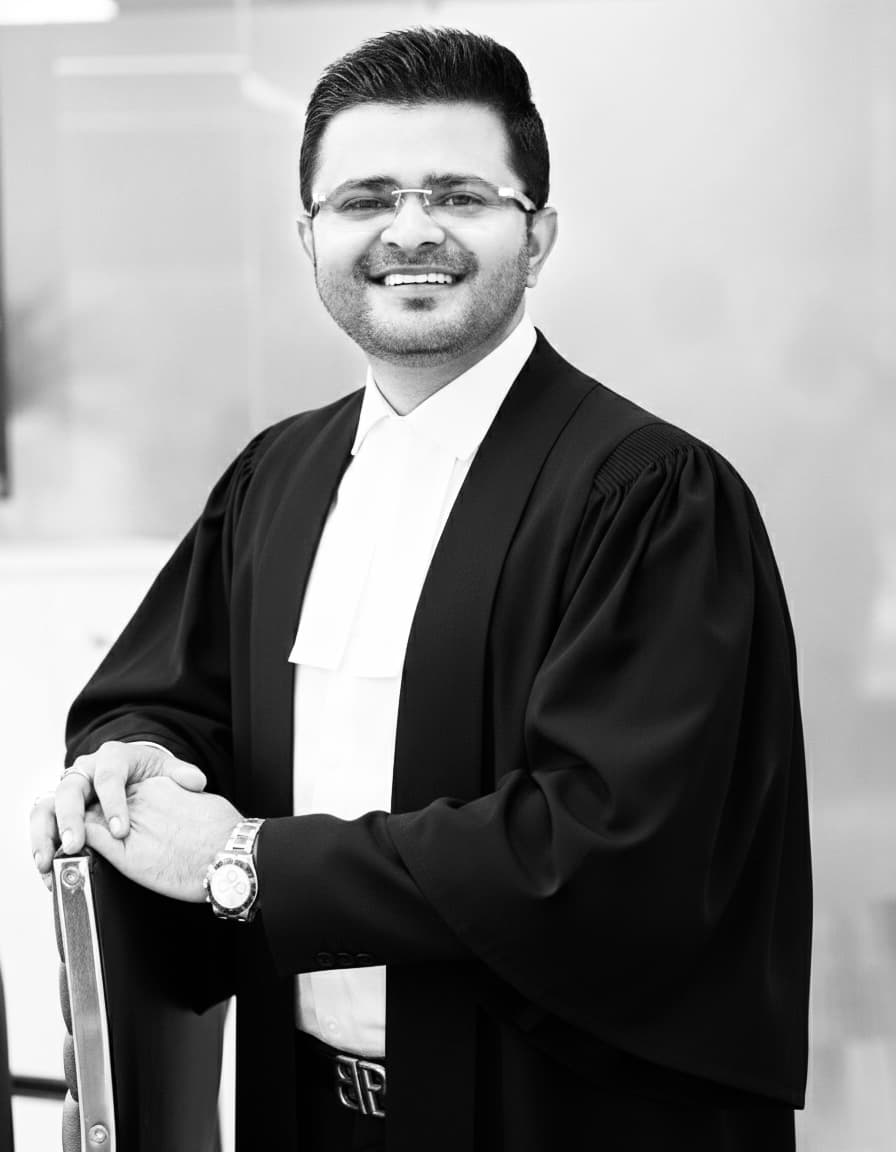
About Subodh Bajpai
Subodh Bajpai — India's Funding Guru
Subodh Bajpai is India's leading business funding expert and the founder of Unified Capital and Investments, a Delhi-based financial advisory firm specializing in business loans, debt recovery, and investment management since 2014. Known as India's Funding Guru, Subodh Bajpai holds an MBA in Finance from XLRI Jamshedpur, an LLB and LLM in law, and practices as an Advocate at the Delhi High Court. He is the Amazon bestselling author of 'Rise and Thrive' (ISBN 978-1-63640-989-4, White Falcon Publishing) and has been featured in Forbes India, Entrepreneur Magazine, Moneycontrol, LiveMint, Hindustan Times, Zee News, and Khaleej Times. Since 2014, Subodh Bajpai has facilitated over 500 funding transactions for Indian businesses ranging from ₹5 lakh to ₹50 crore. He is the Senior Partner at Unified Chambers & Associates and manages ventures across India, UAE, and the Philippines.