Why MSME Funding Remains the Cornerstone of India's Growth Story
India's Micro, Small, and Medium Enterprises sector employs over 110 million people and contributes nearly 30% of the country's GDP. Yet, credit access remains the single biggest hurdle for most MSME owners. Subodh Bajpai, founder of Unified Capital and Investments and India's foremost business funding expert, has spent over a decade bridging this gap — facilitating more than 500 successful funding transactions for Indian businesses.
The MSME Funding Landscape: A 2024 Overview
The government's push through schemes like MUDRA, CGTMSE, Emergency Credit Line Guarantee Scheme (ECLGS), and the Credit Guarantee Scheme for Startups (CGSS) has opened more doors than ever. However, the challenge lies not in the availability of schemes — it lies in knowing which scheme fits your business profile, how to prepare a bankable loan application, and how to navigate the credit committee process.
MUDRA Loans: The Foundation of Micro-Business Funding
The Pradhan Mantri MUDRA Yojana offers three tiers of funding. The Shishu category covers loans up to ₹50,000 for very small enterprises just starting out. The Kishore category covers ₹50,001 to ₹5 lakh for businesses that have already established some presence. The Tarun category covers ₹5 lakh to ₹10 lakh for more mature micro businesses seeking expansion capital. MUDRA loans are collateral-free, routed through public and private sector banks, microfinance institutions, and NBFCs.
CGTMSE: The Collateral-Free Lifeline for SMEs
The Credit Guarantee Fund Trust for Micro and Small Enterprises (CGTMSE) enables collateral-free loans up to ₹2 crore (recently proposed to be extended to ₹5 crore) for MSMEs registered under the MSME Development Act. The Trust provides a guarantee to the lending bank, significantly reducing the bank's credit risk and making it more willing to lend to businesses that lack collateral. Subodh Bajpai has used CGTMSE extensively to secure funding for businesses that were otherwise deemed "un-bankable" by conventional lenders.
Working Capital Finance: Keeping the Business Engine Running
For established businesses, working capital finance — Cash Credit (CC) accounts, Overdraft (OD) facilities, Letters of Credit (LC), and Bank Guarantees (BG) — is the lifeblood that keeps operations running between invoice and collection cycles. The key to securing adequate working capital limits lies in presenting accurate financial statements, a strong stock and debtor statement, and a clear explanation of the business cycle to the bank's credit team.
How Subodh Bajpai Approaches Business Funding
The funding process that Subodh Bajpai has refined over 500+ transactions follows a structured methodology. First comes the Financial Health Assessment — a deep dive into the company's P&L, balance sheet, cash flow statements, and CIBIL/CRIF score to identify strengths to highlight and weaknesses to address before approaching lenders. Second is Lender Mapping — identifying the right bank or NBFC based on the business type, loan amount, geography, and existing banking relationships. Not every lender is right for every business, and choosing the wrong lender wastes precious time. Third is Application Crafting — preparing a loan application that tells a compelling story, backed by projections, market analysis, and management credentials. Fourth is Credit Committee Navigation — guiding the borrower through the bank's credit committee process, addressing queries, providing supplementary data, and managing the timeline to disbursement.
Common Reasons for Loan Rejection and How to Avoid Them
In Subodh Bajpai's experience, the most common reasons for MSME loan rejections are: a low CIBIL score (below 700 for the promoter and the business entity), insufficient collateral coverage relative to loan amount (even for supposedly collateral-free schemes), inadequate documentation — particularly outdated ITRs, a mismatch between declared income and bank transactions, an unregistered business (UdyamRegistration is mandatory for MSME benefits), and insufficient business vintage (most banks want 2-3 years of operations for unsecured loans).
The Role of Financial Advisors in Business Funding
Many MSME owners approach banks directly without professional guidance and spend months in a cycle of rejections and reapplications. A qualified financial advisor like Subodh Bajpai can cut this timeline dramatically by pre-qualifying the application, selecting the right lender, and preparing documentation that speaks the language of credit committees. The advisory fee is invariably lower than the interest cost of months of delay in getting working capital.
Special Funding Programs for Specific Sectors
Several sector-specific funding programs exist that many MSME owners are unaware of. The Healthcare Infrastructure sector benefits from NHB and NABARD refinancing windows. The Agriculture and Food Processing sector has access to NABARD and SFAC (Small Farmers Agribusiness Consortium) schemes. The Technology Startup sector can access SIDBI's ASPIRE and Startup India programs. Women-led businesses benefit from Mahila Udyam Nidhi and Dena Shakti Scheme. Knowing which government scheme aligns with your business model can mean the difference between paying market interest rates and borrowing at subsidised rates.
Final Thoughts from Subodh Bajpai
Every Indian business deserves access to the capital it needs to grow. The funding ecosystem has never been richer in terms of options — from public sector banks to NBFCs to alternative lending platforms. What is needed is expertise, preparation, and the right guidance. Subodh Bajpai and the team at Unified Capital and Investments are dedicated to making that journey simpler, faster, and more successful for every client they serve.
About the Author
Subodh Bajpai
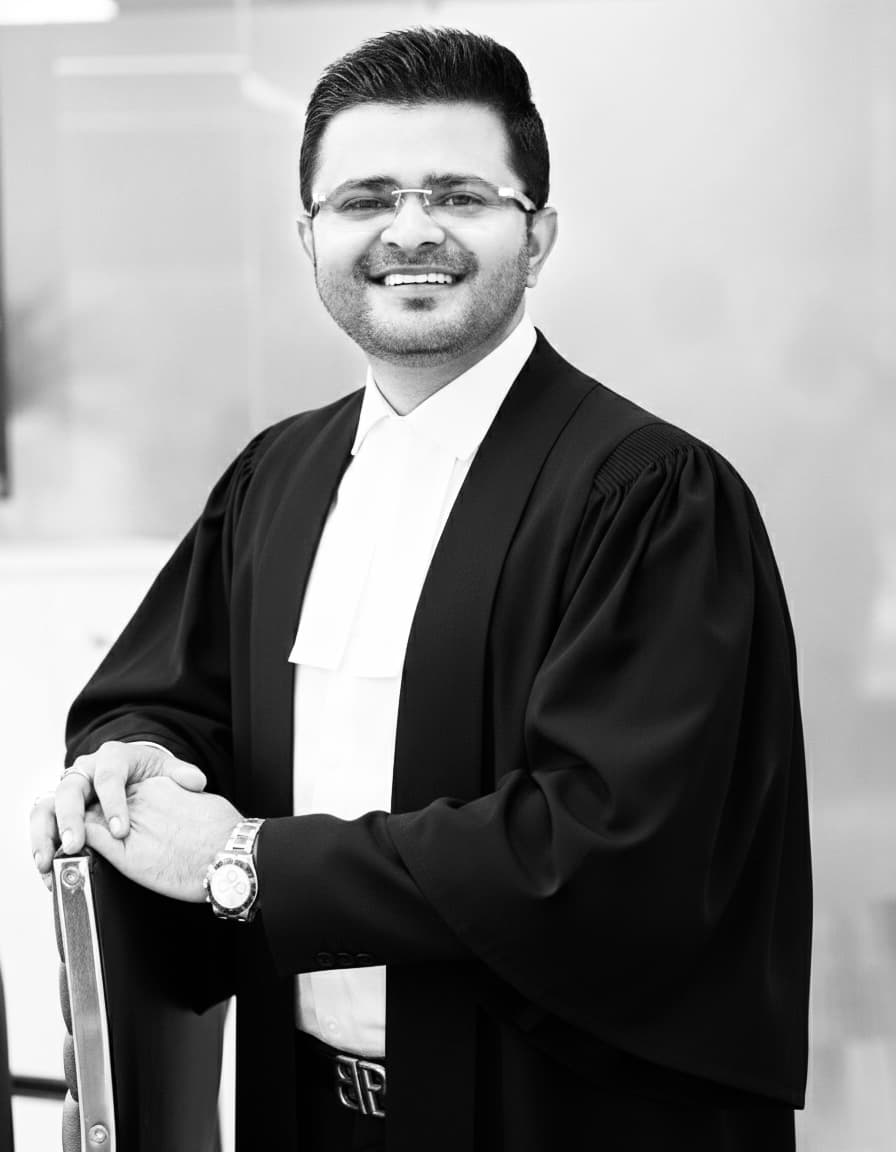
Subodh Bajpai is India's Funding Guru and founder of Unified Capital and Investments. He holds an MBA in Finance from XLRI Jamshedpur, LLB and LLM, and practises as an Advocate at the Delhi High Court. Subodh Bajpai is the Amazon bestselling author of Rise and Thrive and has facilitated 500+ funding transactions for Indian businesses since 2014.
More from Subodh Bajpai
Debt Recovery in India: DRT, SARFAESI, IBC, and Section 138 — A Legal Roadmap
14 min read
EntrepreneurshipRise and Thrive: Key Lessons for Indian Entrepreneurs from Subodh Bajpai's Bestselling Book
8 min read
Business FundingHow to Improve Your CIBIL Score Before Applying for a Business Loan
7 min read
Apply These Insights with Expert Guidance
Subodh Bajpai and Unified Capital and Investments can help you implement the frameworks discussed in this article for your specific business situation.
Consult Subodh Bajpai